
The platform
The engagement layer where brands meet players.
Digital advertising buys impressions, not relationships. Youniverse builds an environment where players choose to spend time with brands, because the interaction is fun and pays out in real-world rewards. Yooca: Your Life proves it, live.
The paradox
Gen Z rejects the ad. They embrace the experience.
The audience brands most want to reach has become the hardest to reach with an ad. They are not absent, they are somewhere else, and they are receptive there.
They block the ad
63% use ad blockers, 58% dislike interruptive ads, and 82% show banner blindness.
Bulbshare; NCSolutions; Kantar / Lineup
They socialise in games
Gen Z plays games, and 70% socialise inside them. Brands know they need a native presence in these worlds.
Newzoo
But they act on coupons
54.6% of Malaysian online shoppers cite coupons as a top purchase driver. A value exchange players opt into, not an interruption.
GWI Malaysia, 2025
Brands do build inside game worlds today, but bespoke builds do not scale and nothing ties the engagement to an actual sale. That is the gap we close.
How it works
Three layers, one loop.
A world that holds attention
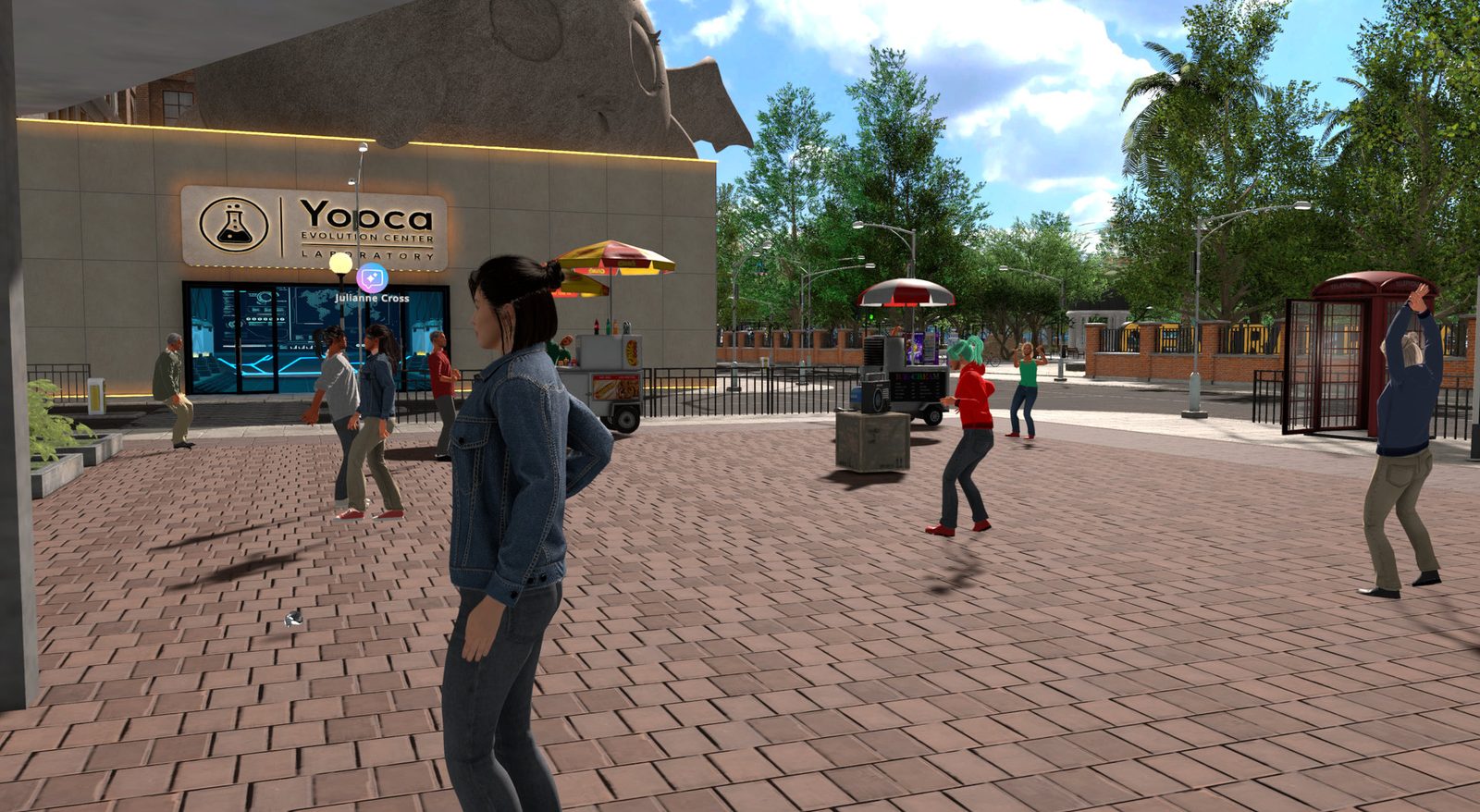
A live social game where people build a life in a city they want to return to. Attention is earned, not bought.
Brands embedded natively
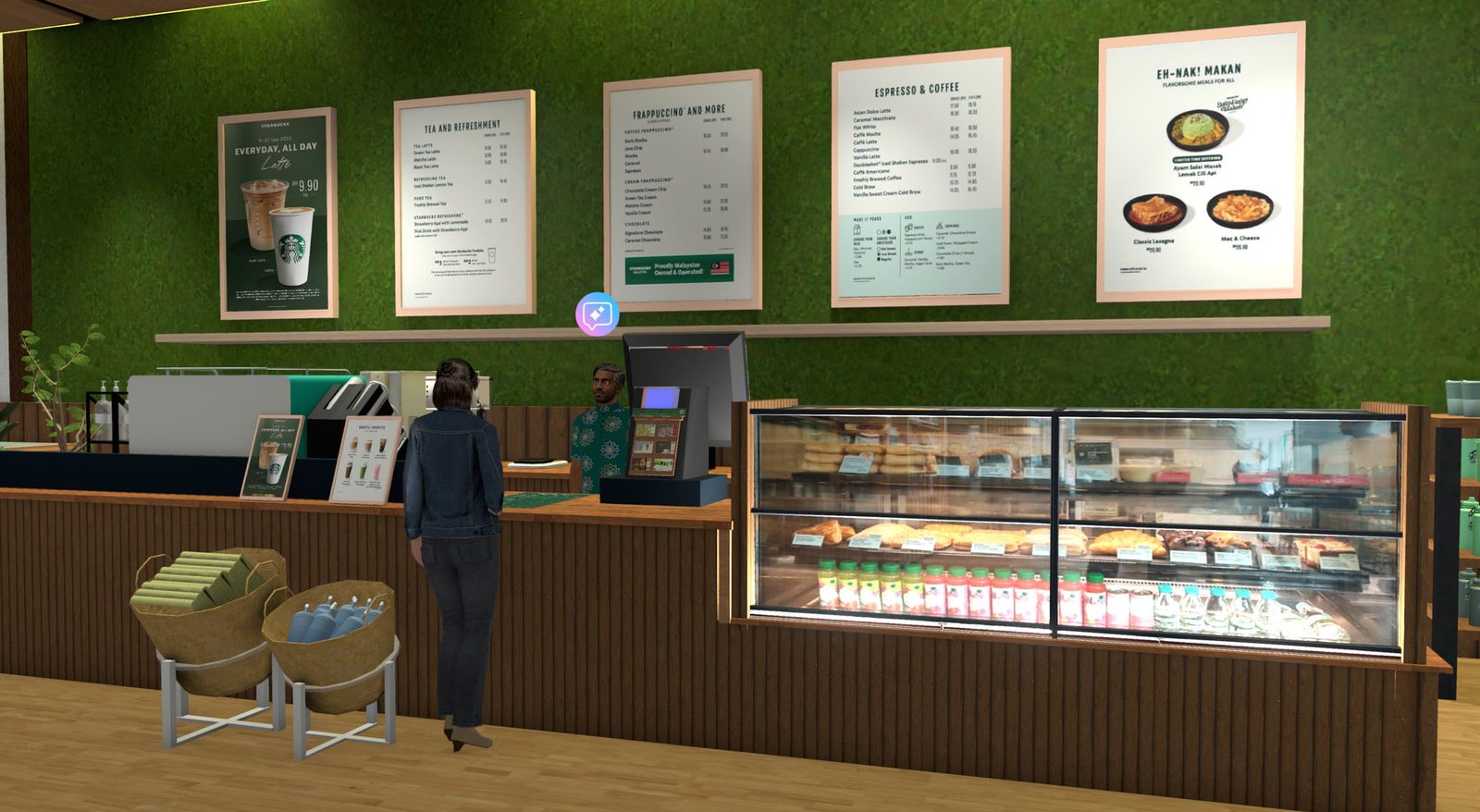
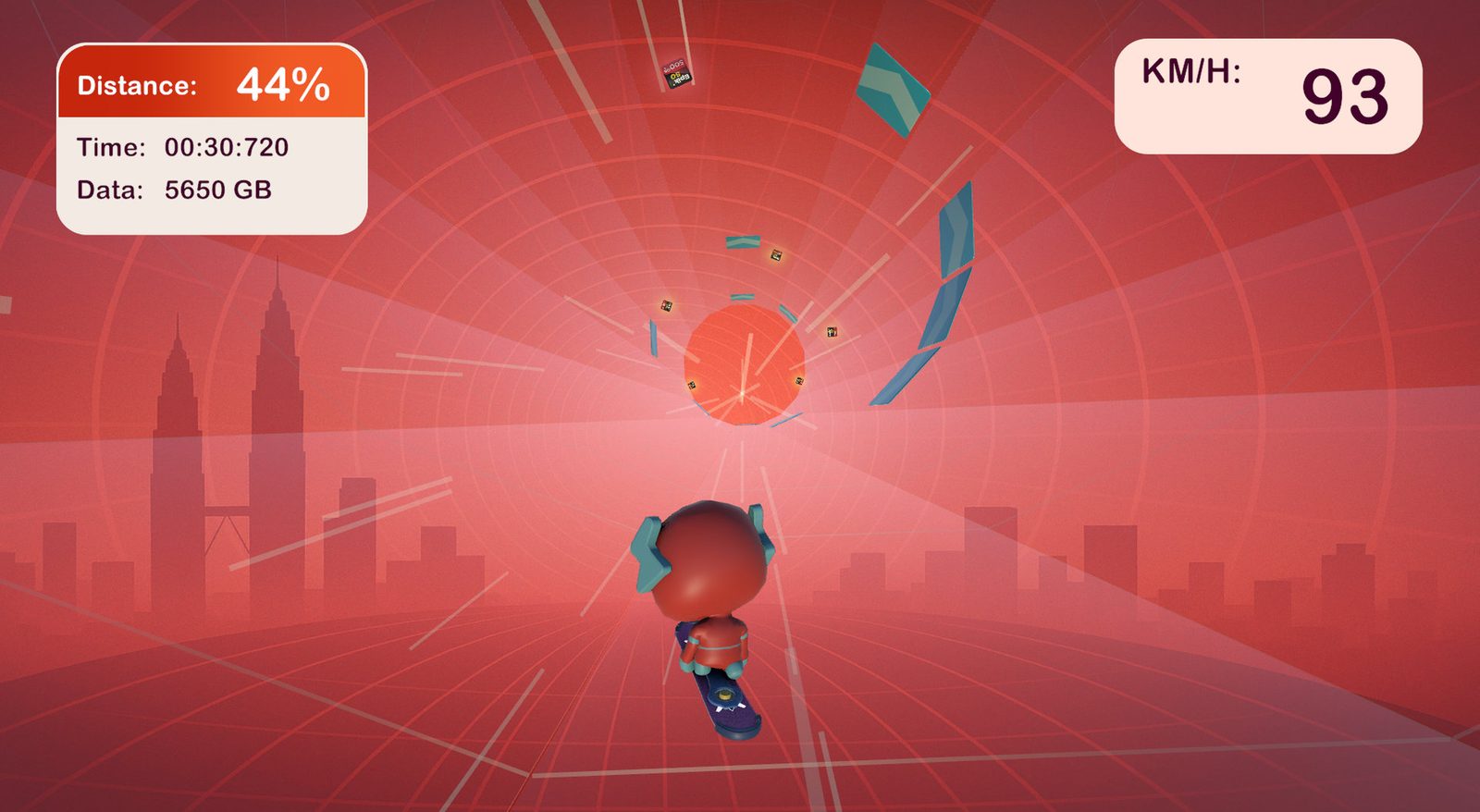
Brands appear as places to visit, AI assistants to talk to, and mini-games to play. Not banners. Part of the world.
Rewards that close the loop
Real-world coupons redeemed at physical outlets turn play into measurable, attributable engagement.
The attribution loop
The coupon closes the loop nothing else can.
A coupon is proof of purchase intent. It is the one instrument that links virtual engagement to a real-world purchase, which is exactly what brands have never been able to measure.
Play
A player engages with a brand's place or mini-game inside Yooca.
Earn
They earn a real-world brand coupon tied to how they played.
Redeem
They redeem it at the brand's outlet, creating a purchase.
Measure
The brand sees which engagement drove which purchase, and at what rate.
The proof of concept
Why Yooca is the right place to prove this.
The thesis only matters if it works in the real world. Yooca: Your Life is a real game, with real players, real brands, and real redemptions. The brand content library was pre-funded through the MDEC Businesses in Metaverse (BiM) programme, which de-risked the build before a single marketing dollar was spent.
- A live social world people return to, not a demo.
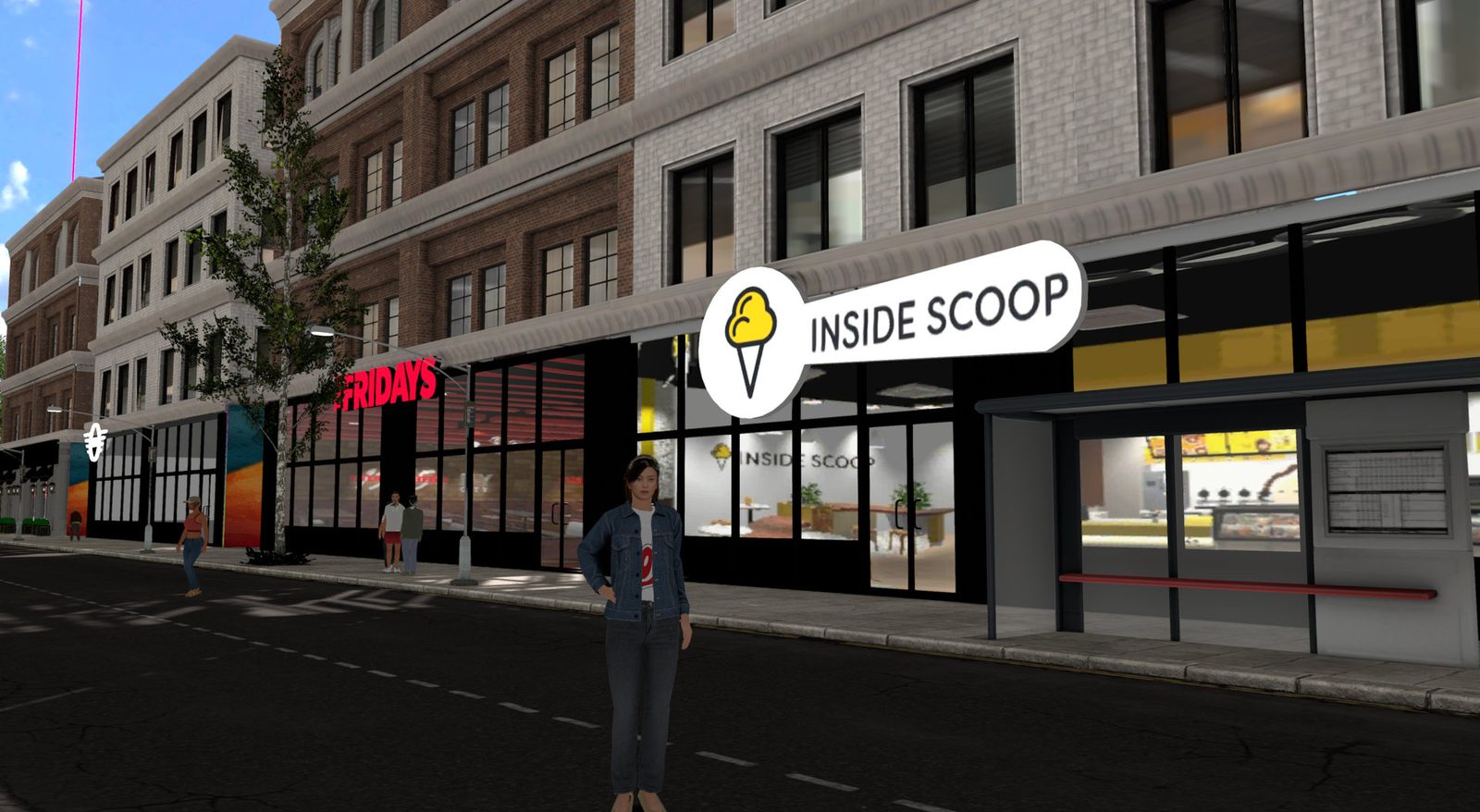
- 200+ brand partners onboarded, with 156 brand interiors built.
- 203 brand experiences delivered in 2.5 months, so the throughput is proven and it travels.
- Real coupons redeemable at partner outlets.
- A working business-to-business sales motion, and the measurement layer already running.
Roadmap
This is bigger than one game.
Each phase matures the platform. The game is the user-acquisition engine that earns the right to the next phase. Platform positioning is earned through traction, not assumed at launch.
Social life sim, soft launched
Live on PC via our own launcher since 24 June 2026. The core loop, the Yooca Pet, player homes, 200+ brands onboarded, and the player and brand measurement layer already running.
Storefronts and retention
Steam, Epic Games Store and STOVE, once the return-trigger work lands: daily loops, timed events, seasonal content cadence, and the brand reward cycle.
iOS and Android
Mobile is the step change in addressable players, and the point at which the brand footprint starts compounding against a much larger base.
Creator economy and the region
Player-created spaces and items, creator tools, and regional expansion into Indonesia, Thailand and the Philippines. The modular brand system means new markets onboard without re-engineering the product.
Open engagement platform
An open API for brand experiences and a publisher and developer SDK, so any brand can run a measurable engagement campaign without a custom build.
Why this holds
A different product category, not a different ad format.
No awareness channel can show a brand that its engagement drove a real purchase. That is the gap Youniverse fills.
| What a brand needs | Youniverse | Social and video ads | Other game platforms |
|---|---|---|---|
| Proof a purchase happened | Coupon closes the loop | Clicks, not purchases | Awareness only |
| The brand owns its data | Yes | Platform owns it | Platform owns it |
| Always-on brand presence | A place in the world | Feed dependent | Limited campaigns |
| Native to where players are | Inside the game | Interruptive | Inside the game |
A content moat
156 brand interiors already built, and 203 brand experiences delivered in 2.5 months. Licensing one brand is easy. Rebuilding the library, the brand CMS and a working redemption loop is a multi-year job.
Institutional distribution
The MDEC relationship is a brand-acquisition channel that takes years of government trust to replicate, not just budget.
Attribution data that compounds
Redemption rates are the reason brands renew, and the dataset gets more valuable with every campaign run on the platform. Switching means losing that history.
Two-sided network
More valuable to brands as players grow, and to players as rewards improve. Neither side benefits from leaving.
The market
A large market. Malaysia is the proof point.
We start where we have the brand relationships and the government backing, then take a proven playbook to the rest of the region.
Southeast Asian digital brand marketing spend across a six-country rollout.
In-app and gaming-native brand engagement across Southeast Asia.
Five-year serviceable target across Malaysia, Indonesia and Thailand.
Market sizing derived from third-party research including Niko Partners, Southeast Asia Games Market Report 2025. SEA-6 covers Indonesia, Malaysia, the Philippines, Singapore, Thailand and Vietnam.
We are raising a seed round now.
Talk to us about the platform, the live product, and where this goes next.